A Comprehensive Guide on Understanding Cybercrime Prevention Act of 2012
by Francine Divinagracia
Introduction to the Cybercrime Prevention Act of 2012
In
the Philippines, we have seen a recognizable technology transition among
communication and information networks. We have adapted to an online or virtual
setting, in which every piece of information can either have accessibility or
censorship, and every human activity is recognized by various people. However,
due to the shift of information and human activity into the digital world,
inappropriate and legal offenses occur among social and online users,
particularly cybercrime. Consequently, there has been an increase of
cybercriminals in the digital setting, which have already committed punishable
offenses that concern confidentiality, privacy intrusion, content-related
crimes, and, most primarily, cyber libel or defamation in an online setting.
With the recognition of criminal offenses within the digital setting of
the Philippines, Congress enacted the Republic Act 10175, called the
“Cybercrime Prevention Act of 2012.” This law, which is considered new,
provides mainly the punishable offenses that are related to and concerned with
cybercrime. Essentially, this new law serves as a comprehensive strategy and
framework that enables the government, professionals, and citizens to
combat any cybercrime act.
The Sixteen (16) Cybercrimes Covered Under Cybercrime Prevention Act of 1012 (RA 10175)
Under the Republic Act of 10175 or the Cybercrime Prevention Act of 2012, let us understand and recognize the sixteen types of cybercrimes considered punishable offenses.
a. Illegal
Access
Illegal access is the type of cybercrime with unauthorized access, without legal rights, among computer applications or computer systems. Moreover, it is also involved through intrusion or bypassing of security measures to disrupt any operations handled by authorities and investigate confidential and sensitive information highly restricted by these security measures.
b. Illegal
Interception
Illegal interception is a type of cybercrime that refers to the illegal and unauthorized interception of electronic communications or non-public transmissions without any legal and proper consent by the authorities involved. For instance, this type of cybercrime involves unauthorized access to private or online conversations to intercept sensitive and confidential information. Because of this, intercepting sensitive and confidential information can result in having malicious intent or purpose.
c. Data
Interference
Data interference is a type of cybercrime that refers to computer data, electronic documents, or electronic data messages that have been altered, damaged, deleted, or deteriorated without proper authorization.
d. System Interference
System Interference is a type of cybercrime that refers to any acts of unauthorized entry into the transmission and functioning of any computer network or system through altering, suppressing, and deleting any data messages, electronic documents, and other computer programs or data.
e. Misuse of
Devices
Misuse of devices is a type of cybercrime done through the authorized use, ownership, importation, or distribution of available devices or computer programs designed to commit libelous offenses.
f.
Cyber-squatting
Cyber-squatting is a type of cybercrime done by purchasing a domain name online or through the Internet with the intent or purpose of deceiving or defaming a person’s character or reputation by registering as another person.
g. Computer-Related
Forgery
Computer-related forgery is a type of cybercrime that refers to any unauthorized computer data entry, modification, or deletion that produces unreliable data intending to use it legally, regardless of whether the data is directly legible and understandable and is illegal.
h. Computer-related
Fraud
Computer-related fraud is a type of cybercrime that refers to any unauthorized entry, modification, or deletion of computer data or programs and interference with a computer system's operation that inflicts harm.
i.
Computer-related Identity Theft
Computer-related identity theft is a type of cybercrime that refers to any unauthorized collection, use, abuse, transfer, possession, change, or deletion of an individual's identification information, whether that person is a natural person or a legal entity (juridical).
j.
Cybersex
Cybersex is a type of cybercrime that refers to the willful use of any electronic devices and systems to display, publish, and engage in any inappropriate display of sexual organs and sexual behavior. These kinds of inappropriate publications, it can be published based on favors or any considerations.
k. Child
Pornography
Child pornography is a cybercrime that can be a form of sexual exploitation in an online or digital setting. These are presented through online photos or videos of persons, particularly minors or anyone under the age of 18 years old.
l.
Libel
Libel is a type of cybercrime that defames someone based on written, printed, or through the use of any computer systems or programs.
m. Aiding or
Abetting in the Commission of Cybercrime
Aiding or abetting the Commission of Cybercrime is considered a cybercrime. Anyone who knowingly encourages or assists in the conduct of any acts listed in this Act is accountable or liable for cybercrime.
n. Attempt in
the Commission of Cybercrime
Attempt in the Commission of Cybercrime is considered cybercrime in which anyone who knowingly attempts to commit one of the crimes listed in this Act will be held accountable.
o. Crimes Defined
is Within the Use of Information and Communications Technology
The provisions of this Act that apply to crimes committed by, via, or in conjunction with the use of information and communications technology shall apply to all offenses specified and punished by the Revised Penal Code, as amended.
p. Corporate
Liability
Corporate liability is considered a punishable act under cybercrime. It refers to the legal responsibility that a business or organization may have for
cybercriminal acts committed by its employees, agents, or associates. It makes
the corporation liable for any illegal activities committed while conducting
business, especially in cyberspace.
The Elements of Cyber Libel
To
understand the elements of cyber libel, I provided an acronym named
D.I.M.P.
D is for Defamation
I is for Identification
M is for Malice
P is for Publication
Let us now
understand the definition of terms under this acronym and how these are considered elements of cyber libel.
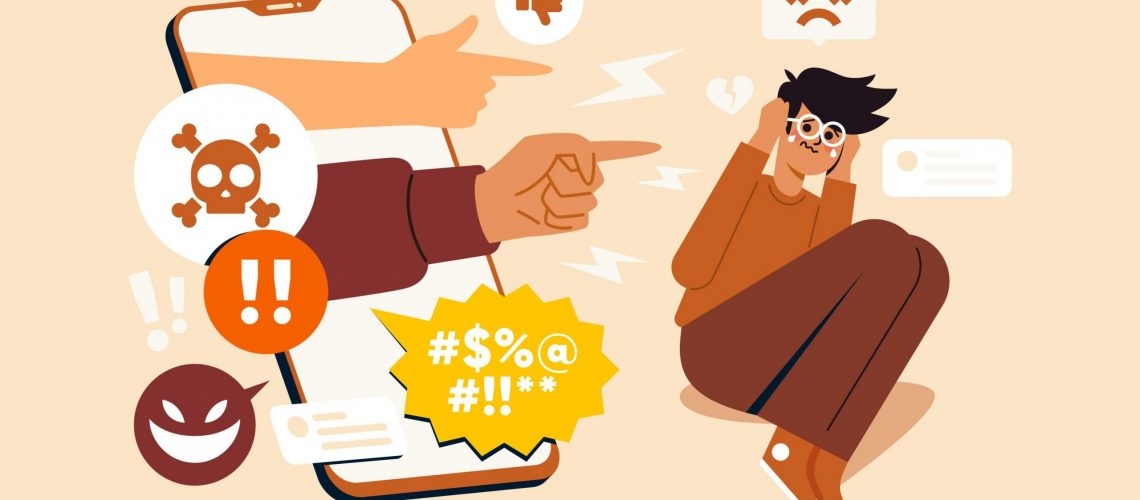
Image of Cyber Defamation from EndNow Foundation Website
Defamation, as an
element of cyber libel, refers to a person’s act of creating and providing
allegations concerning a discreditable act or making false statements to damage or destroy a person’s character or reputation.
Identification, as an
element of cyber libel, concerns the identity of the person being
defamed. This is a crucial element of cybercrime that helps determine or
address cyber libel reports or cases and can determine the extent of threats
or harms caused by the persons defaming the victim/s.
Malice, as an
element of cyber libel, refers to the existence of motivational or intended
acts that promotes harm when defamatory statements or words are posted or
distributed online.
Publication, as an element of cyber libel, is likely referred to as publishing or posting defamatory statements online. Publication of defamatory content or statements are posted on digital platforms, mainly social media sites, websites, and other communication channels online.
The Persons Liable for Cyber Libel

Image about Cyber Libel from Abogado Website
Under the
Cybercrime Prevention Act of 2012 (RA 10175), there are two distinguished
personalities or persons that are subjected to the liability of the type of
cybercrime committed:
1. The individual
or author who exhibited, published, and had the cause to publish a libelous or
defamatory statement. In simpler terms, the person who was the cause of publishing such defamatory or libelous posts online is liable for the crime committed.
2. The individual considered the author or the editor of written or online libelous or defamatory publications, such as through serial publications, websites, newspapers, magazines, news articles, and other publications, shall be subject to the liability of the crime committed.
Different Penalties for Cyber Libel
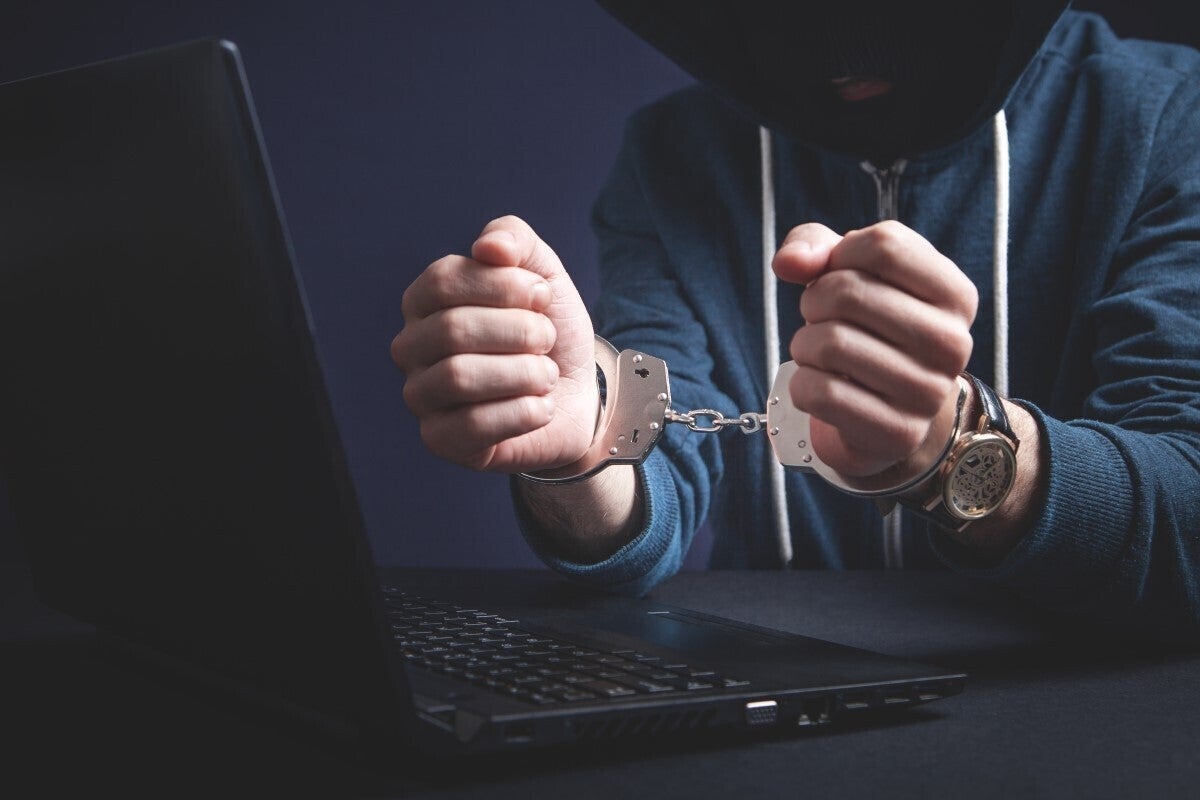
Image of Cybercriminals under Penalty from CSO Online Website
If the
crime is committed through information and communication technologies,
it becomes cyber libel instead of libel only. In this case, under
Section 6 of the Cybercrime Prevention Act, this is carried out with a higher
penalty by one degree.
“Specifically, libel under the Revised Penal Code is punished with prison correctional in its minimum period, which is from six months and one day to two years and four months, and medium period, which is from two years, four months and one day to four years and two months; or a fine ranging from P200 to P6,000 or both” (Divina Law Dynamic Lawyering, 2019, para. 8).
“Thus, the penalty is prison mayor in its minimum period, which is from six years and one day to eight years, and medium period, which is from eight years and one day to 10 years. In prosecuting the crime of libel or cyber libel, the venue is jurisdictional. For ordinary libel, the venue, where the complainant is a private individual, is limited to only either of two places, namely: where the complainant resides at the time of the commission of the offense or where the alleged defamatory article was printed and first published” (Cyber Libel in the Philippines, 2022, para. 24).
Striking
a Balance: The Cybercrime Prevention Act of 2012 and the Responsibility of
Online Users
Overall, the Cybercrime Prevention Act of 2012 stands as an essential legislative
law to combat against any punishable acts related to cybercrime. This Act does
not only recognize the kinds of cybercrimes, elements of cyber libel, and
penalties under this law. Still, it provides substantial information that can be
shared among Filipino citizens to adequately address cybercrime
threats. Moreover, as I have researched, this limits the freedom of expression,
but at the same time, it firmly ensures the safety and security of online
users in the digital setting.
As online
or digital users, we should use the Internet as a power to inspire and share positive
information among other users, not as a tool to defame or damage someone’s character
or reputation for our own benefit. Moreover, if we are aware of potential
cyber threats among social media sites or applications, let us stay vigilant and
be responsible online users for a safe and secure digital world both in the
present and in the future.
“Technology trust is a good thing, but control is a better one.”
- Stephane Nappo
References:
Cyber
Libel | Cybercrime Lawyers in Philippines | DivinaLaw. (2020). Retrieved
24 June 2023, from https://www.divinalaw.com/dose-of-law/about-cyber-libel/
Cyber
Libel in the Philippines - Law
Student Codals, Cases,Bar Exam Q and A in the Philippines. (2022). Retrieved June 2023, from https://lawstudentph.com/cyber-libel-in-the-philippines/
FULL TEXT: Cybercrime law constitutional – Supreme Court. (2014). Rappler. Retrieved June, 2023, from https://www.rappler.com/nation/special-coverage/51197-full-text-supreme-court-decision-cybercrime-law/
Toral,
J. (2012). 16 Cybercrimes covered under Cybercrime Prevention Act - Republic
Act 10175 - DigitalFilipino: E-Commerce in the Philippines. Retrieved June
2023, from https://digitalfilipino.com/introduction-cybercrime-prevention-act-republic-act-10175/
Image
References:
Brumfield, C. (2023). Law enforcement crackdowns and new techniques are forcing cybercriminals to pivot. Retrieved 24 June 2023, from https://www.csoonline.com/article/3696748/law-enforcement-crackdowns-and-new-techniques-are-forcing-cybercriminals-to-pivot.html
Keng's second cyberlibel case versus Ressa gets new Makati judge. (2023). Retrieved June 2023, from https://abogado.com.ph/kengs-second-cyberlibel-case-versus-ressa-gets-new-makati-judge/
Rachamalla,
B. (2021). All you need to know about Cyber Defamation - End Now Foundation.
Retrieved June 2023, from https://www.endnowfoundation.org/all-you-need-to-know-about-cyber-defamation/
Word Count: 1667
Comments
Post a Comment